In brief
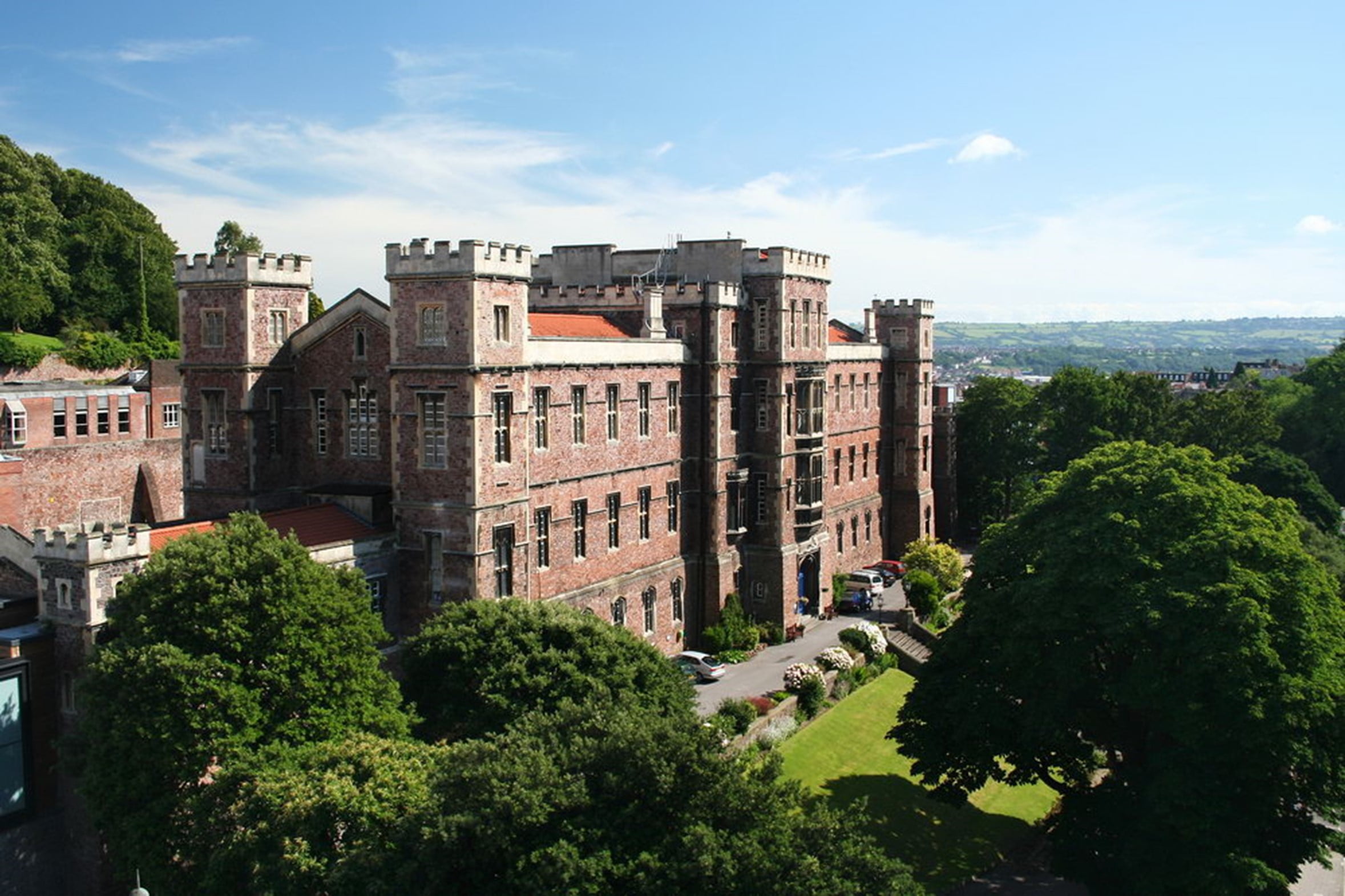
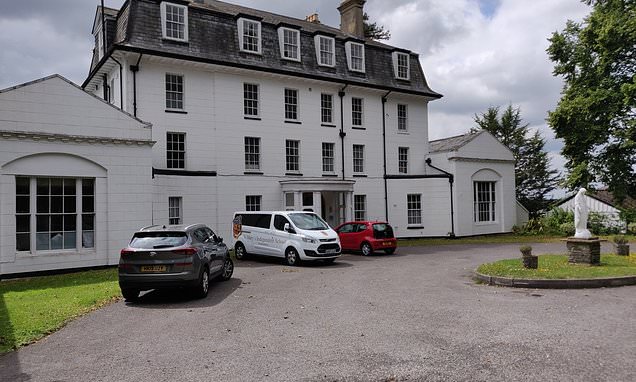
I was born in Bristol in south-west England, where I attended a small school in the suburbs, in a place called Headley Park. My studies took me to numerous cities both in the UK and in Italy, from Coventry and Oxford to London, and then to Pavia and Udine. That stage of my life came to a conclusion when I took a job in Bologna. Here are the main stages of that budding academic career.
- Post-doc research, Pavia University, Italy, a study grant funded by the Italian Cultural Institute
- Doctorate. Oxford University, Lady Margaret Hall
- Master's Degree: MA (Distinction). Warburg Institute, London University
- Degree: BA Hons (First Class), Italian and English Literature. University of Warwick
- Trinity Certificate: TESOL (Distinction), Language Project, Bristol
- High School: A Levels in Applied and Pure Mathematics, Economics, English Literature, General Studies
Post-doc
After completing my doctorate I was awarded a short grant by the Italian Cultural Institute, which allowed me to move to Italy and dedicate a year to studying literature in Friulian, the language spoken in the region in the north-eastern corner of the country. In this period I published a number of articles in leading academic reviews, mostly on the literature of the post-war period, with a particular emphasis on sociological aspects of literary production and publication, as well as those social and economic factors which influence aesthetic and linguistic choices. A list of these publications can be found here
Oxford
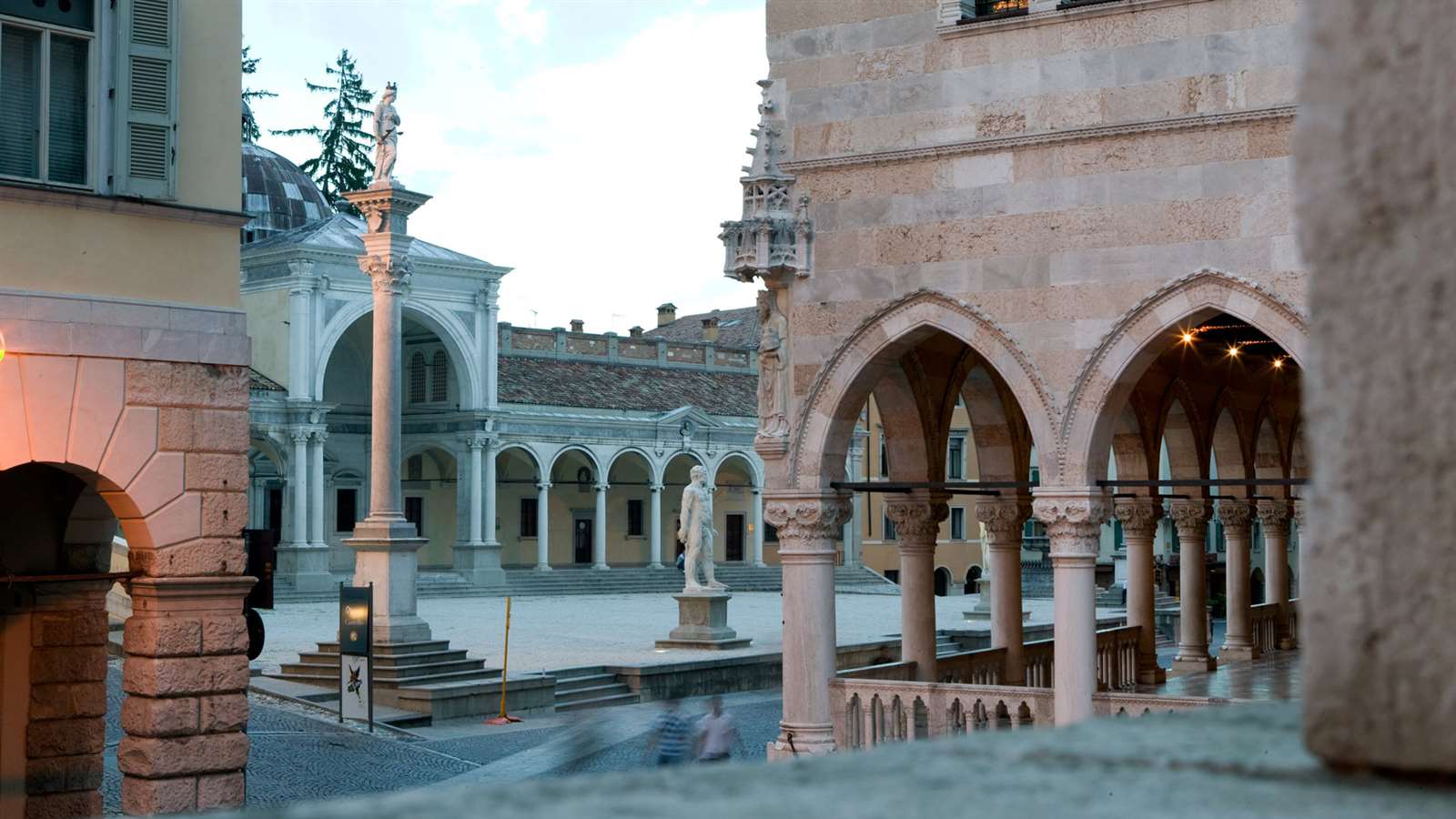
I spent four years at Oxford as a student, at Lady Margaret Hall, where I completed a doctorate on the literary criticism of the Italian poet Andrea Zanzotto, who I met personally at his home in Pieve di Soligo. My supervisor was Peter Hainsworth, a leading expert on Italian poetry, while my examiners were Diego Zancani of Balliol College and Giulio Lepschy, one of the most important Italian linguists of his generation. Zanzotto was generally considered the most important living Italian poet at the time. I concentrated on his philosophy and poetics, following a multi-disciplinary approach.

Warburg
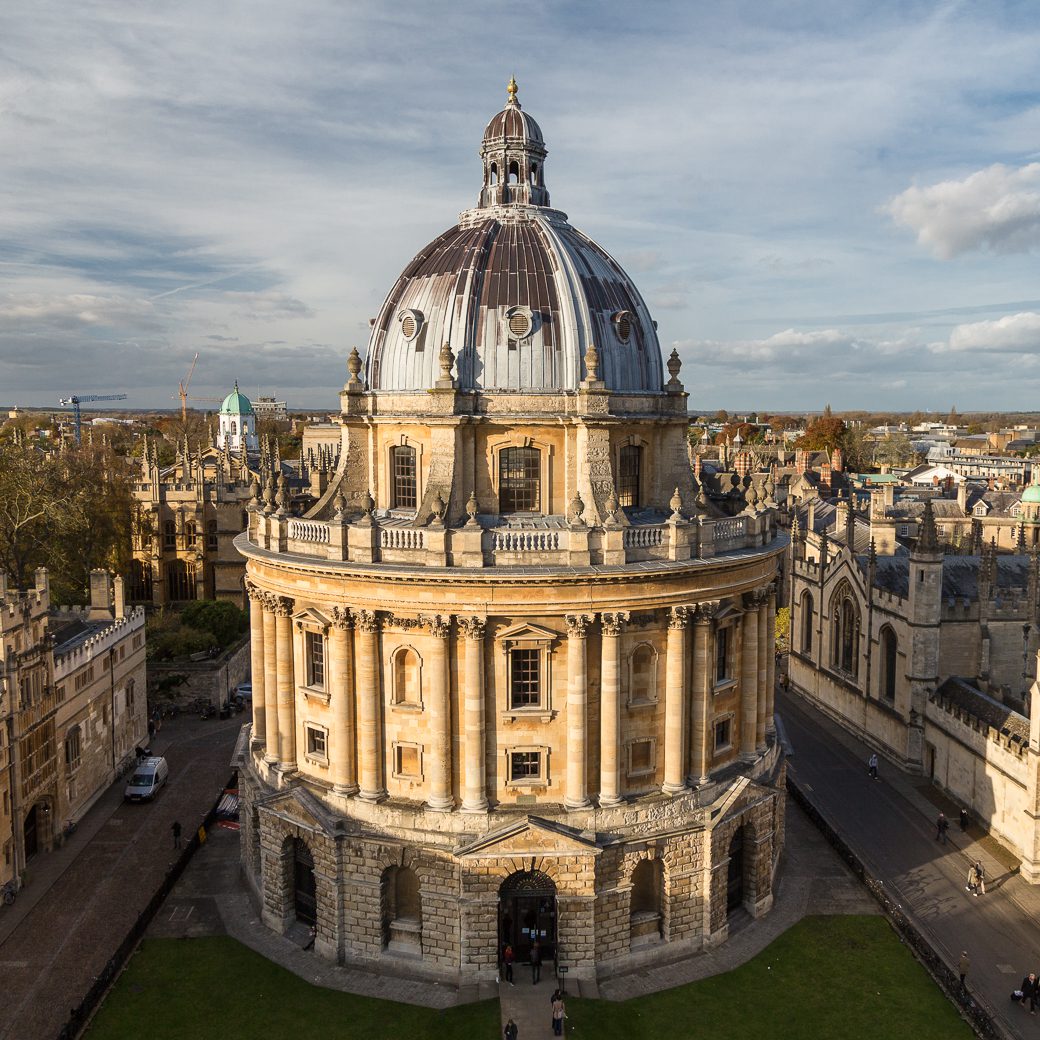
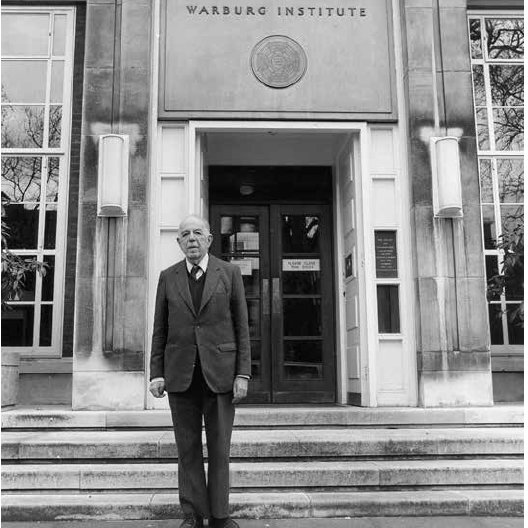
For anyone familiar with Renaissance Studies, the Warburg Institute needs no introduction. A product of the exodus of German intellectuals before the Second World War, Aby Warburg's famous library has hosted some of the greatest writers and historians of the post-war period, figures like Michael Baxendall, Frances A. Yates and the most famous of them all, the art historian, Ernst Gombrich. The Institute boasts a - well-earned - reputation as one of the toughest and most intellectually-demanding places to study in the country. The year I spent here was indeed the most challenging I have ever faced, but I learned what it meant to be a "proper" researcher and author. I was, however, glad to leave there still compos mentis and with a "distinction" attached to my MA following a thesis on the Neoplatonic thought of the !6th century.
Warwick
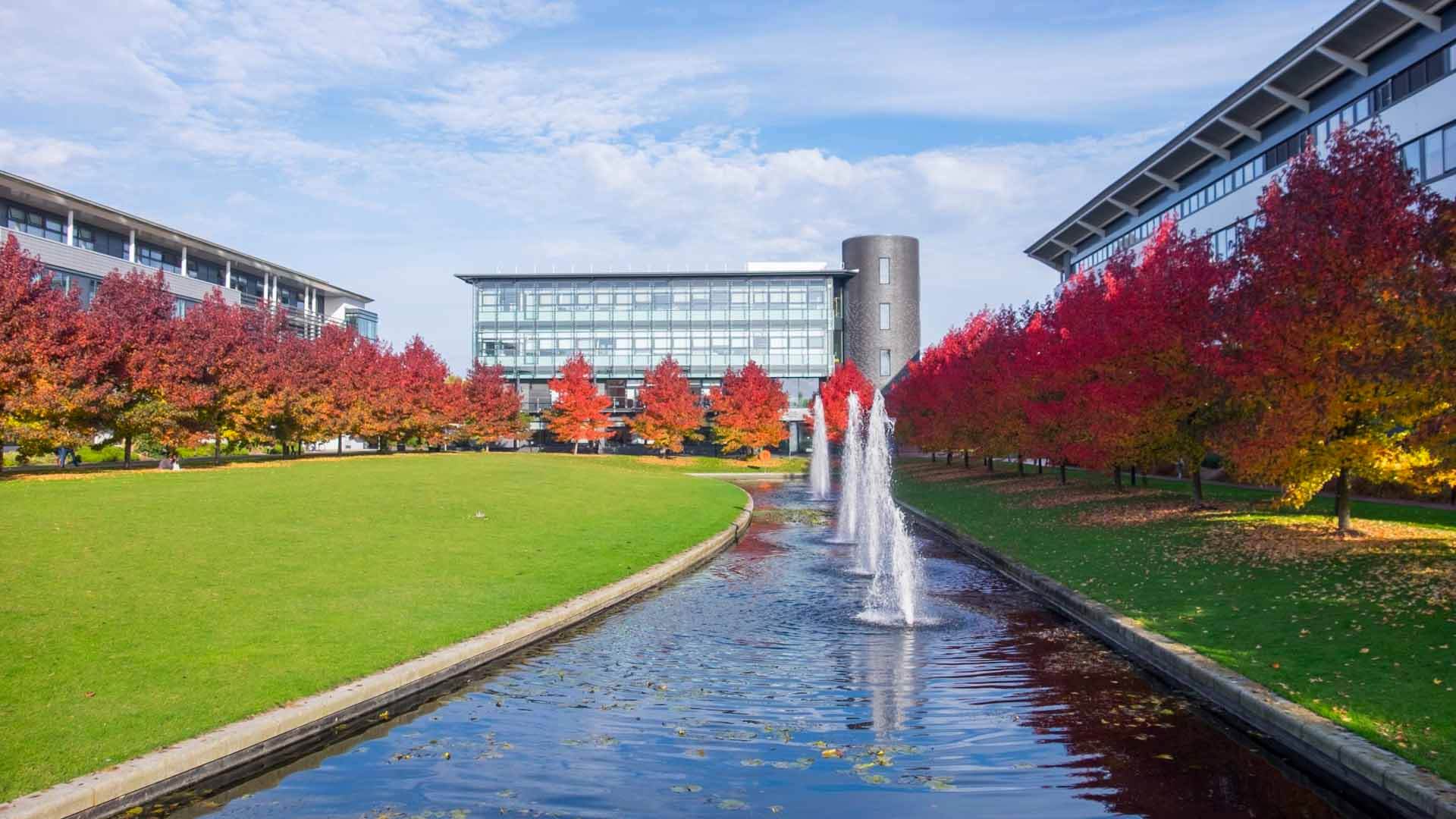
Warwick University is a child of the 1960s boom and is considered one of the top universities in the UK. The Italian department at the time was small and run by the iron fist of Judy Rawson, who founded it. I studied English and Italian Literature there, a course for those who wanted to combine literary studies with a language, learned from scratch in a couple of years. I didn't know one word of Italian when I started, I left there fluent and with a First Class Honours degree, in other words, summa cum laude.
Bristol
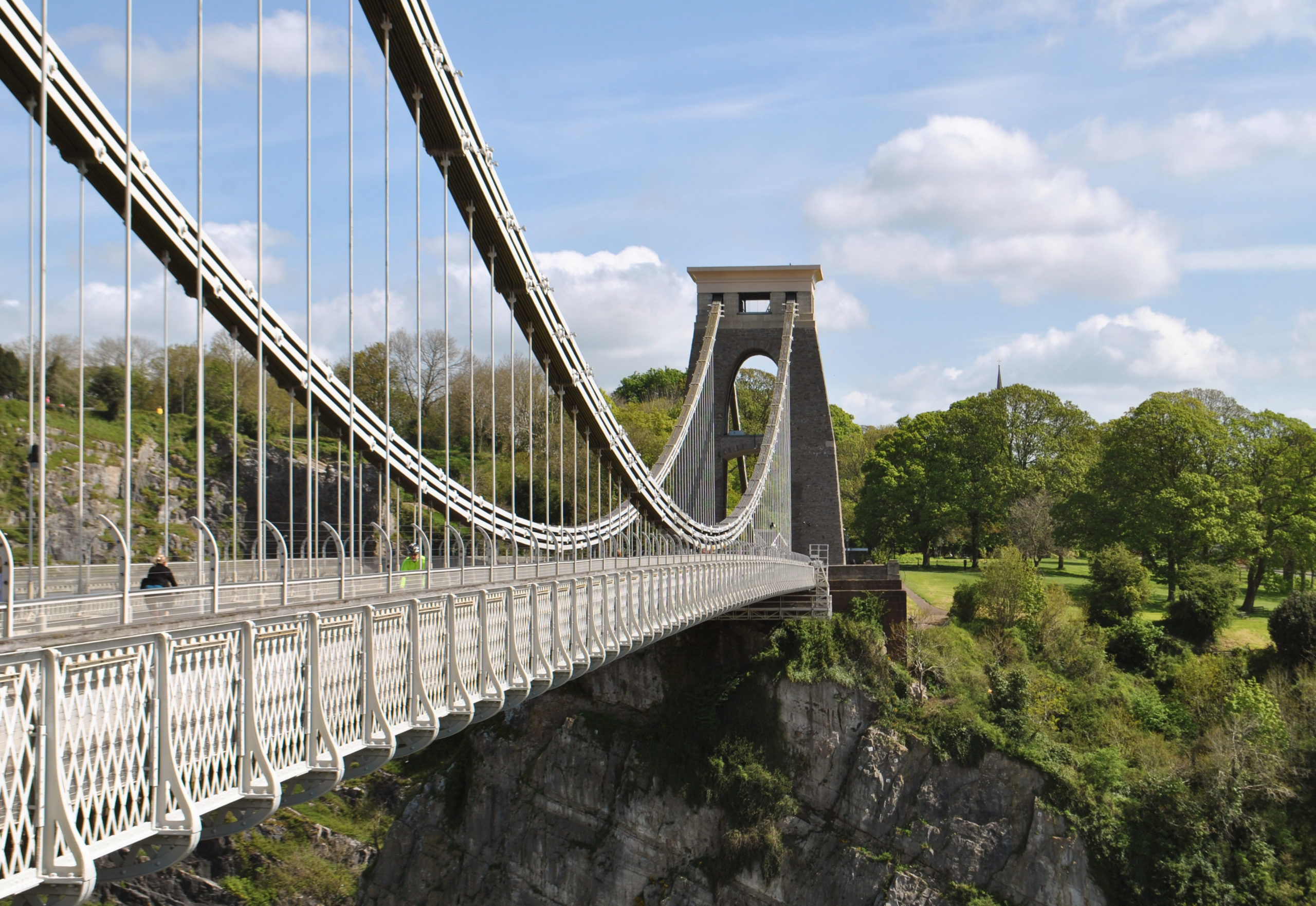
In 2000 I completed a TESOL course at the Language Academy in Bristol. Tougher than you'd think. I got passionate about phonetics and also learned how to teach, properly, for the first time. I had a lot of fun. And returned to Italy with my distinction and the ability to teach English professionally.
High School
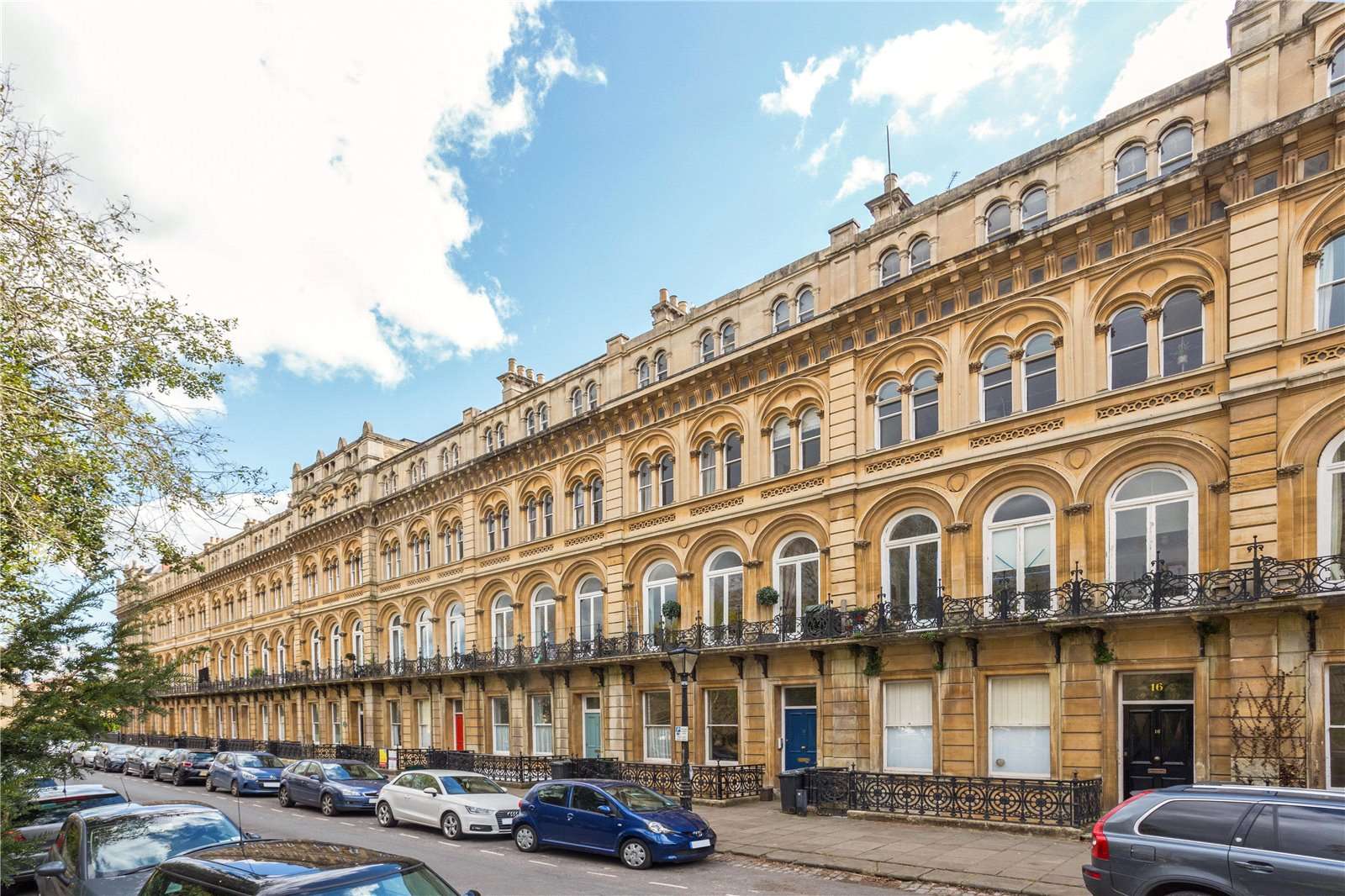
So many schools... but the most prestigious was Queen Elizabeth's Hospital in Bristol, a school founded in the 16th century with a charter from Queen Elizabeth herself, the one with the ruff. My examinations were all done in Southampton however, at St Mary's College. The full list is long and boring, the most important qualifications are my A Levels in Applied and Pure Mathematics, Economics and English Literature.